
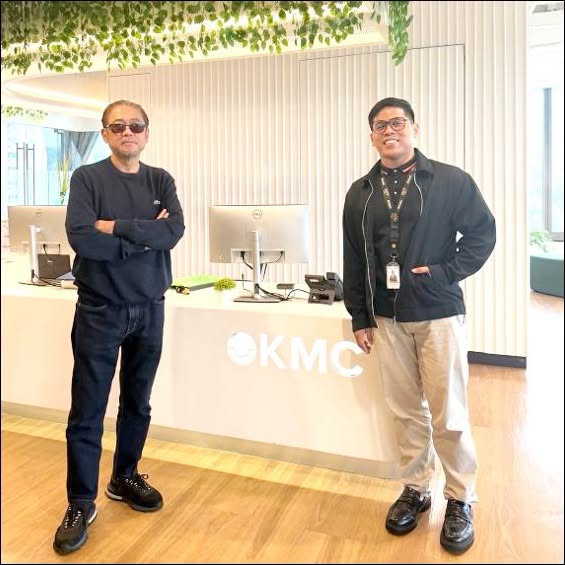
The logic behind Imus Computer College (ICC) establishing physical support hubs in premium Metro Manila commercial districts — such as One Ayala in Makati, Uptown BGC in Taguig and SM North EDSA in Quezon City is to bridge the gap between flexible online learning and real-world corporate readiness. Rather than functioning as traditional campuses with daily classrooms, enrollment desks or payment counters, these venues act as a strategic extension of the entire ICC system specifically tailored for Online Distance Education (ODE) students.
Physical Touchpoints in Central Business Districts. Online learning can often feel isolating. By partnering with premium co-working and corporate spaces (such as KMC Solutions at One Ayala), ICC provides its Metro Manila student base with accessible, high-end environments for skills competency development, seminars and support services. Placing these hubs in major transit and economic cores ensures that students from all over the Metro can easily access face-to-face academic support when needed.
Aligning with the ‘Employability Over Degree’ Advocacy. ICC’s core philosophy emphasizes that practical IT skills, adaptability and the right attitude carry more weight in the modern job market than a traditional four-year diploma. Housing support hubs inside the country’s primary financial centers (Makati and BGC) physically immerses students into the corporate world. It exposes them directly to the industries and global tech environments where they will eventually seek employment.
Supporting an ‘Education Without Boundaries’ Model. While ICC uses cloud-based infrastructure like Teachable to deliver lessons anywhere in the Philippines or to Overseas Filipino Workers (OFWs) globally, the institution recognizes the value of a hybrid approach. The hubs serve as physical anchors for a digital ecosystem. They ensure that even if a student studies entirely online, they still have access to institutional networking, professional mentoring and community building.
